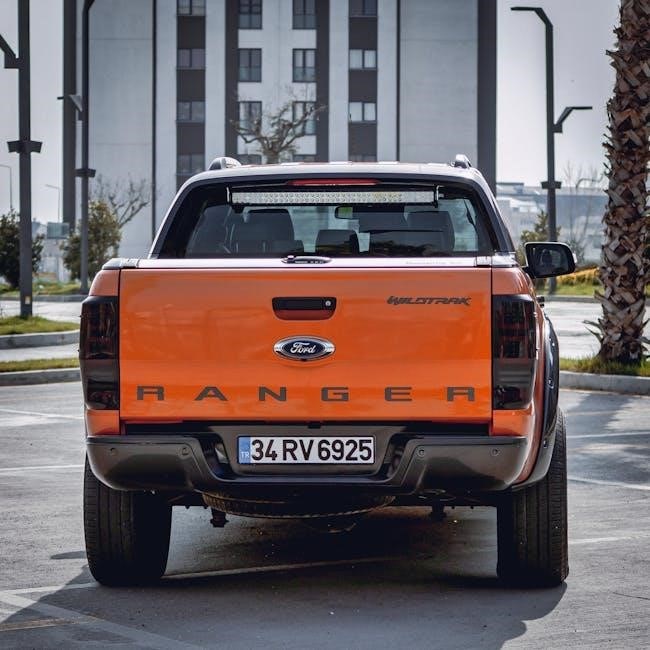
ford ranger trailer brake controller instructions
- Published
- in Australia
Towing with your Ford Ranger requires a trailer brake controller for safety and control․ This guide details installation, configuration, and troubleshooting for optimal performance․
Recent Ford Ranger owners (2022+) may need pin relocation for power, as the standard 12-pin plug might not initially power the brake unit․
What is a Trailer Brake Controller?
A trailer brake controller is a vital safety device that proportionally applies the brakes to your trailer when you activate the brakes in your Ford Ranger․ Unlike your vehicle’s braking system, trailers don’t automatically engage when you press the brake pedal; they require a separate system․
The controller receives a signal from your Ranger when you brake and then sends a corresponding electrical signal to the trailer’s brakes․ This ensures synchronized braking, preventing dangerous situations like trailer sway or runaway trailers․ Controllers vary in functionality, from simple on/off operation to sophisticated proportional control, adjusting braking force based on the load and driving conditions․
Proper installation and configuration are crucial for optimal performance and safety, especially with newer Ford Rangers potentially requiring pin relocation for power․
Why You Need One for Your Ford Ranger
If you plan to tow a trailer with your Ford Ranger, a brake controller isn’t just recommended – it’s often legally required, and critically important for safety․ Your Ranger’s brakes alone are insufficient to safely stop a loaded trailer, especially in emergency situations․ Without a controller, you risk extended stopping distances, loss of control, and potential accidents․
A controller distributes the braking load, reducing stress on your Ranger’s braking system and improving overall stability․ Newer Rangers (2022+) sometimes necessitate pin relocation within the wiring harness to ensure the controller receives adequate power․ Ignoring this can lead to functionality issues․
Investing in a brake controller protects you, your vehicle, and other drivers on the road․
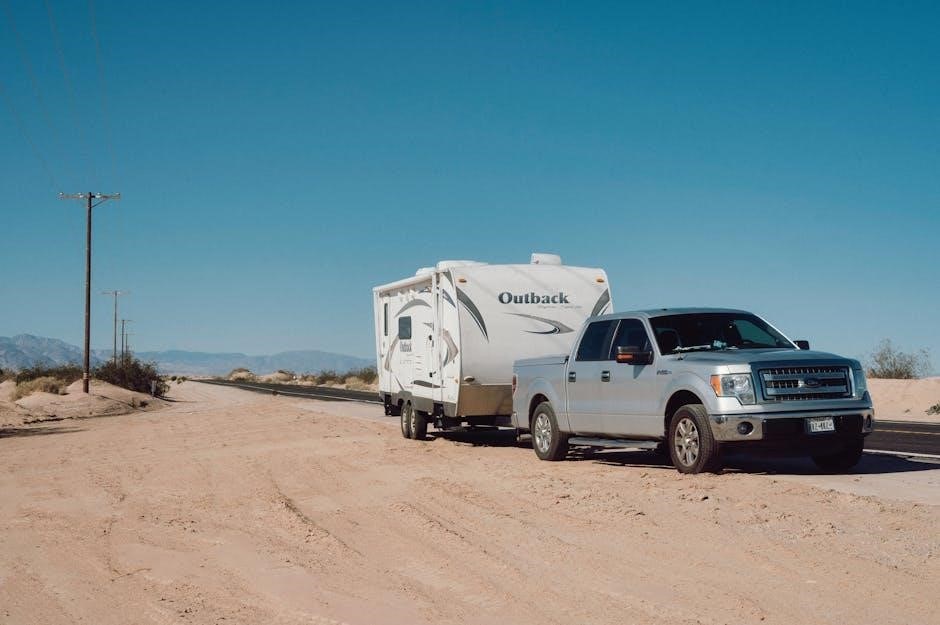
Understanding Your Ford Ranger’s Wiring
Locating the trailer brake connector and identifying the ground, power, and brake signal wires are crucial steps before installing a controller in your Ford Ranger․
Locating the Trailer Brake Connector
The trailer brake connector on your Ford Ranger is typically found under the dash, on the driver’s side․ It’s often positioned near the steering column or to the left of the parking brake pedal․ This connector provides the necessary wiring for interfacing with your chosen trailer brake controller․
For newer Rangers (specifically 2022+ models), Ford has utilized a 12-pin connector as standard equipment․ However, it’s important to note that initially, this connector might not provide power to the brake unit․ This is a common issue reported by owners, requiring a pin relocation procedure to activate the power supply for the controller․ Carefully inspect the area and consult your Ranger’s owner’s manual for the precise location of this connector․
Ensure the vehicle is switched off before attempting to locate or access any wiring․
Identifying the Necessary Wires (Ground, Power, Brake Signal)
Once you’ve located the trailer brake connector, identifying the correct wires is crucial for proper installation․ Typically, you’ll need to identify the ground, power, and brake signal wires․ The ground wire is usually black and connects to the vehicle’s chassis for a stable electrical connection․
The power wire, often red, provides the 12V supply to operate the brake controller․ However, as noted for 2022+ Rangers, this wire may require pin relocation within the 12-pin connector to become active․ The brake signal wire, usually blue, transmits the signal from the Ranger’s brake pedal to the controller, activating the trailer brakes․
Using a wiring diagram specific to your Ford Ranger’s year and model is highly recommended to confirm wire colors and functions before making any connections․
Installing a Trailer Brake Controller
Proper installation ensures safe towing․ Select a controller compatible with your Ranger, then follow a step-by-step guide, carefully wiring it to the identified power, ground, and signal wires․
Choosing the Right Controller for Your Ranger
Selecting the appropriate trailer brake controller for your Ford Ranger is crucial for safe and effective towing․ Controllers come in two primary types: proportional and timed delay․ Proportional controllers, often favored for their smoother operation, apply brake force in direct relation to the vehicle’s braking, offering enhanced control․
Timed delay controllers, a more basic option, apply a set amount of braking power after a short delay․ Consider the weight of your typical trailer load when making your decision․ Heavier loads generally benefit from proportional control․
Ensure the controller you choose is compatible with your Ranger’s electrical system and wiring․ Look for controllers specifically designed for Ford vehicles for easier installation and integration․ Research user reviews and ratings to gauge reliability and performance before making a purchase․
Step-by-Step Installation Guide
Before starting, disconnect your Ranger’s negative battery terminal․ Locate the factory trailer brake connector, typically found under the dashboard․ Remove the dash panel to access the wiring harness․ Connect the brake controller’s wiring harness, matching colors carefully: white to ground, blue to brake signal, and red to power․
For 2022+ Rangers, verify pin relocation is complete if the controller isn’t powering on․ Securely mount the controller in a convenient location, ensuring easy access․ Reconnect the battery terminal․ Double-check all connections before proceeding to configuration and testing․
Utilize a cut-off wiring harness, like the P3 part 90195, to simplify the wiring process and ensure proper connections to the brake controller wiring․
Wiring the Brake Controller to Your Ranger
Begin by identifying the necessary wires: ground (typically white), power (often red), and brake signal (usually blue)․ Connect the controller’s white wire to a solid chassis ground․ The red wire requires connection to a 12V ignition source – verify it’s only active when the ignition is on․
The blue wire connects to the brake signal wire from the Ford Ranger’s wiring harness․ For 2022+ models, confirm correct pin relocation for power if initial connection fails․ Secure all connections with butt connectors or solder and electrical tape․
Ensure wires are neatly routed and protected from heat or moving parts․ A properly wired controller is crucial for safe and effective trailer braking․
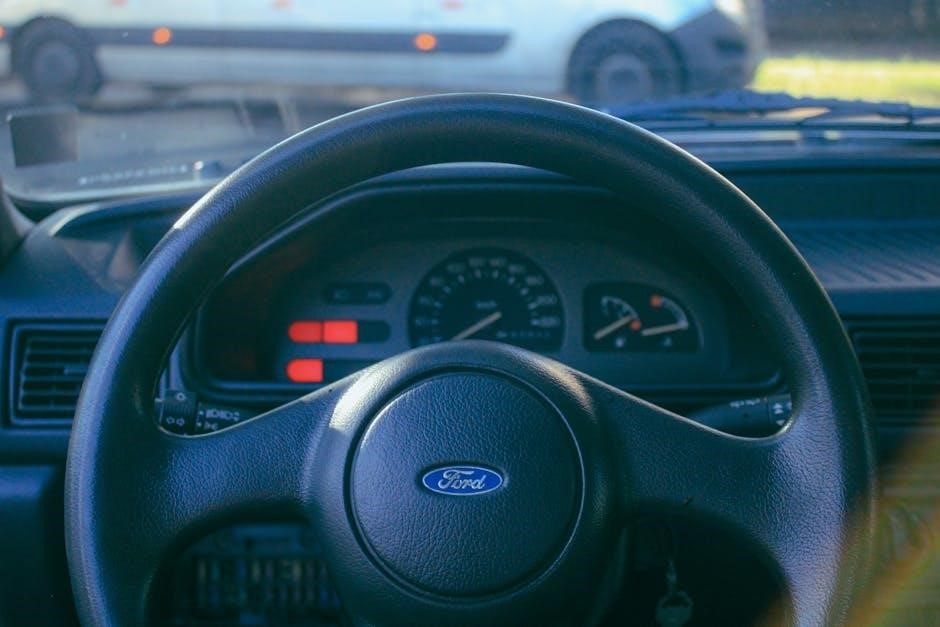
Configuring and Testing the Brake Controller
Adjust controller settings to match your trailer’s braking requirements, focusing on sensitivity and gain․ Thoroughly test functionality at low speeds to ensure proper operation․
Setting the Controller for Your Trailer
Properly configuring your brake controller is crucial for safe towing․ Begin by understanding your trailer’s weight and braking capacity․ Most controllers feature adjustable settings for sensitivity and gain, impacting how aggressively the brakes engage․ Start with a low gain setting and gradually increase it during testing․
Proportional brake control, a common feature, applies braking force in direct relation to the vehicle’s deceleration․ Adjust the sensitivity to determine how much pedal pressure is needed before the trailer brakes activate․ Fine-tune the gain until you achieve smooth, controlled stops without excessive trailer braking or “pushing” during normal driving․ Refer to your controller’s manual for specific instructions and recommended settings based on trailer weight․
Remember, incorrect settings can lead to unstable towing conditions, so prioritize careful adjustment and testing․
Testing the Brake Controller Functionality
After installation and initial setup, thorough testing is essential․ Begin in an empty, controlled environment, like a large parking lot․ Slowly accelerate to a moderate speed (around 30-40 mph) and then apply the brakes firmly․ Observe if the trailer brakes engage smoothly and proportionally with the vehicle․
Listen for any unusual noises, such as grinding or jerking, which could indicate improper adjustment or a mechanical issue․ Gradually increase speed and repeat the test, fine-tuning the gain setting as needed to prevent trailer sway or “pushing․”
Ensure the manual override function works correctly, allowing you to apply the trailer brakes independently․ Always prioritize safety and adjust settings until you achieve confident, controlled braking performance․

Troubleshooting Common Issues
If the controller lacks power, check the fuse and wiring connections․ Non-responsive brakes may indicate a wiring fault or incorrect gain settings; verify all connections․
Controller Not Powering On
When your Ford Ranger trailer brake controller fails to power on, systematic troubleshooting is essential․ First, inspect the controller’s fuse – often located within the vehicle’s fuse box, consult your Ranger’s owner’s manual for the specific location․ A blown fuse is a common culprit and easily remedied․
Next, carefully examine all wiring connections․ Ensure the controller is securely connected to the Ford Ranger’s wiring harness, paying close attention to the ground, power, and brake signal wires․ Loose or corroded connections can interrupt the power supply․ Verify the power wire is receiving voltage using a multimeter․
For 2022+ Rangers, remember the potential need for pin relocation as noted by Ford․ If the initial wiring doesn’t provide power, this could be the issue․ Finally, confirm the controller itself isn’t faulty by testing it in another vehicle if possible․
Brakes Not Responding
If your Ford Ranger’s trailer brakes aren’t responding despite the controller powering on, several factors could be at play․ Begin by verifying the trailer’s brake wiring and connections․ Ensure the trailer’s brake lights illuminate when the controller is activated, indicating a signal is reaching the trailer․
Check the trailer’s brake drums or rotors for proper functionality and adjust them if necessary․ A malfunctioning trailer brake assembly will obviously prevent operation․ Return to the Ford Ranger’s wiring and confirm the brake signal wire is correctly connected to the controller and receiving a signal when the brakes are applied․
Adjust the controller’s output settings; a sensitivity or gain level set too low might prevent activation․ Finally, consider potential compatibility issues with Sync 3 systems, as reported by Waze users․

Error Codes and Their Meanings
While specific error codes vary depending on the trailer brake controller model installed in your Ford Ranger, understanding common indicators is crucial for troubleshooting․ Many controllers utilize a flashing LED pattern to signal issues․ A continuous flashing light often indicates a short circuit in the trailer wiring, while an intermittent flash might suggest a ground fault․
Consult your controller’s manual for a detailed code interpretation guide․ Some controllers may display numerical codes on a digital screen․ Addressing wiring issues, such as damaged connectors or frayed wires, is often the first step․ Remember that Sync 3 compatibility concerns, as noted by Waze users, could indirectly trigger error messages․
Always disconnect the trailer and retest to isolate whether the problem lies within the Ranger’s system or the trailer itself․

Advanced Features and Settings
Proportional brake control adjusts braking force to trailer weight, enhancing safety․ Adjusting sensitivity and gain optimizes performance for varying loads and road conditions․
Proportional Brake Control Explained
Proportional brake control is a sophisticated system that dynamically adjusts the trailer’s braking force based on the deceleration of the Ford Ranger․ Unlike traditional time-delayed controllers, proportional control uses an accelerometer to sense the towing vehicle’s braking intensity․
This allows the trailer brakes to engage smoothly and proportionally to the Ranger’s braking, resulting in a more natural and controlled towing experience․ It minimizes jerky stops and reduces the risk of trailer sway, particularly crucial when navigating varied terrain or emergency braking situations․
Essentially, the harder you brake in your Ranger, the harder the trailer brakes apply, and vice versa, creating a synchronized and safer towing setup․ Fine-tuning the controller’s gain settings is vital to achieve optimal proportional braking performance․
Adjusting Sensitivity and Gain
Sensitivity and gain settings on your Ford Ranger’s trailer brake controller are crucial for optimal performance․ Sensitivity dictates how quickly the controller responds to initial brake application, while gain controls the overall braking force applied to the trailer․
Start with a low gain setting and gradually increase it during test drives․ Observe the trailer’s response – you want firm, controlled braking without excessive trailer push or lockup․ Higher gain is suitable for heavier trailers, while lighter loads require lower settings․
Proper adjustment prevents trailer sway and ensures synchronized braking․ Regularly re-evaluate these settings based on load weight and road conditions for a consistently safe towing experience;
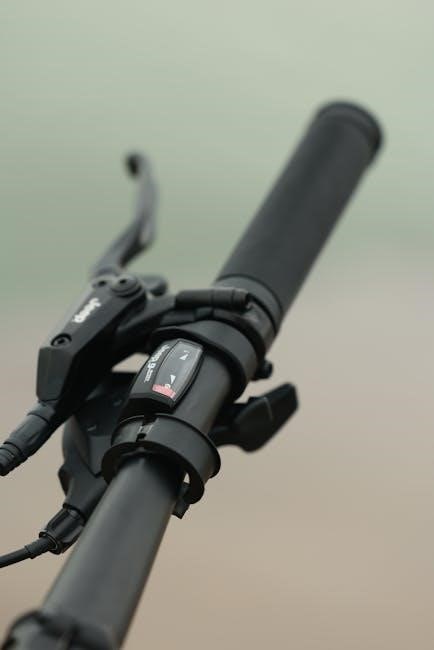
Ford Ranger Specific Considerations
Newer (2022+) Ford Rangers may require pin relocation within the wiring harness to properly activate the trailer brake controller’s power supply․
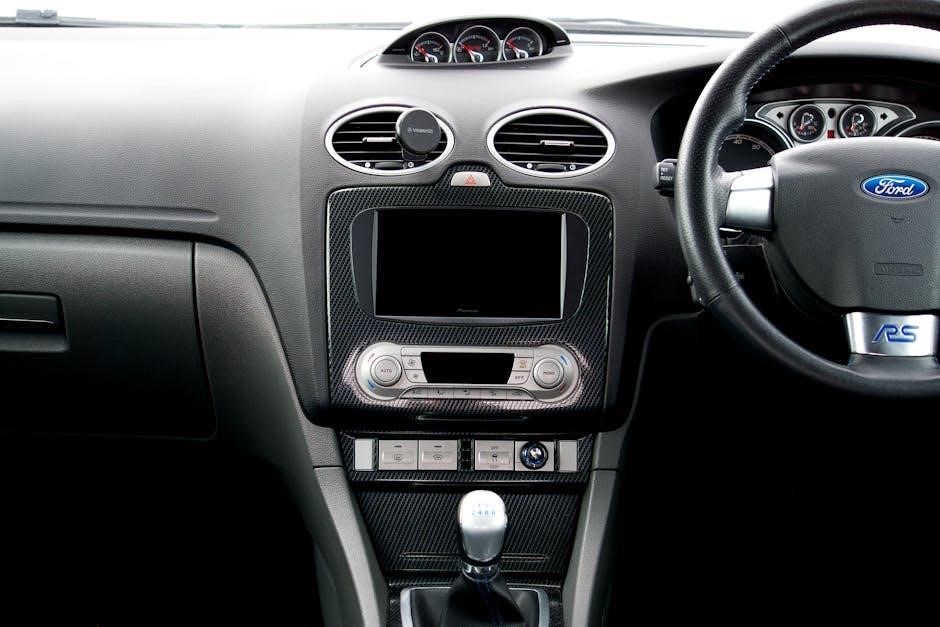
Pin Relocation for Power (2022+ Rangers)
For 2022 and newer Ford Ranger models, a common issue arises where the factory 12-pin connector doesn’t provide power to the trailer brake controller initially․ Ford has acknowledged this, stating that specific pins need to be relocated within the connector to enable functionality․
This involves carefully removing the pins associated with the brake signal and power, and swapping their positions within the connector housing․ Detailed diagrams and instructions are often available from Ford dealerships or online Ranger enthusiast forums․ It’s crucial to disconnect the battery before attempting any wiring modifications․ Incorrect pin placement can lead to non-functional brakes or electrical system damage․ Always double-check your work against a reliable wiring schematic before reconnecting the battery and testing the system․
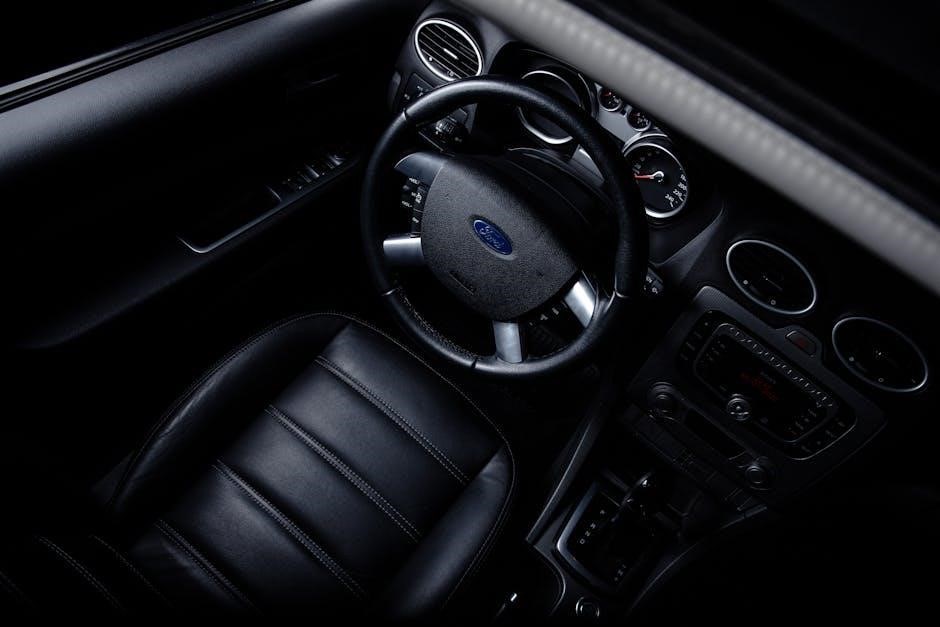
Sync 3 Compatibility Issues
Owners of Ford Rangers equipped with the Sync 3 infotainment system have reported compatibility challenges with certain trailer brake controllers․ Waze support has indicated that Ford Sync 3 is no longer actively supported, potentially impacting integration with trailer brake controller displays or features․
Specifically, some controllers may not display information correctly on the Sync 3 screen, or may experience intermittent connectivity issues․ This often requires using the controller’s standalone display for monitoring brake status․ Ensure your chosen controller is confirmed compatible with your Ranger’s Sync 3 version․ Software updates for Sync 3 may occasionally address these issues, so checking for updates is recommended․